

Learn More About Us

E-commerce web development is all about creating and maintaining the digital spaces where we buy and sell products and services online. We focus on user-friendly design, mobile responsiveness, and secure payment systems. Each element plays an essential role in enhancing the shopping experience and driving sales. But what exactly are the strategies and trends shaping this dynamic field? Let's explore how these elements come together to create successful e-commerce platformsSoftware solutions that allow businesses to create and manage online stores, such as Shopify, WooCom....
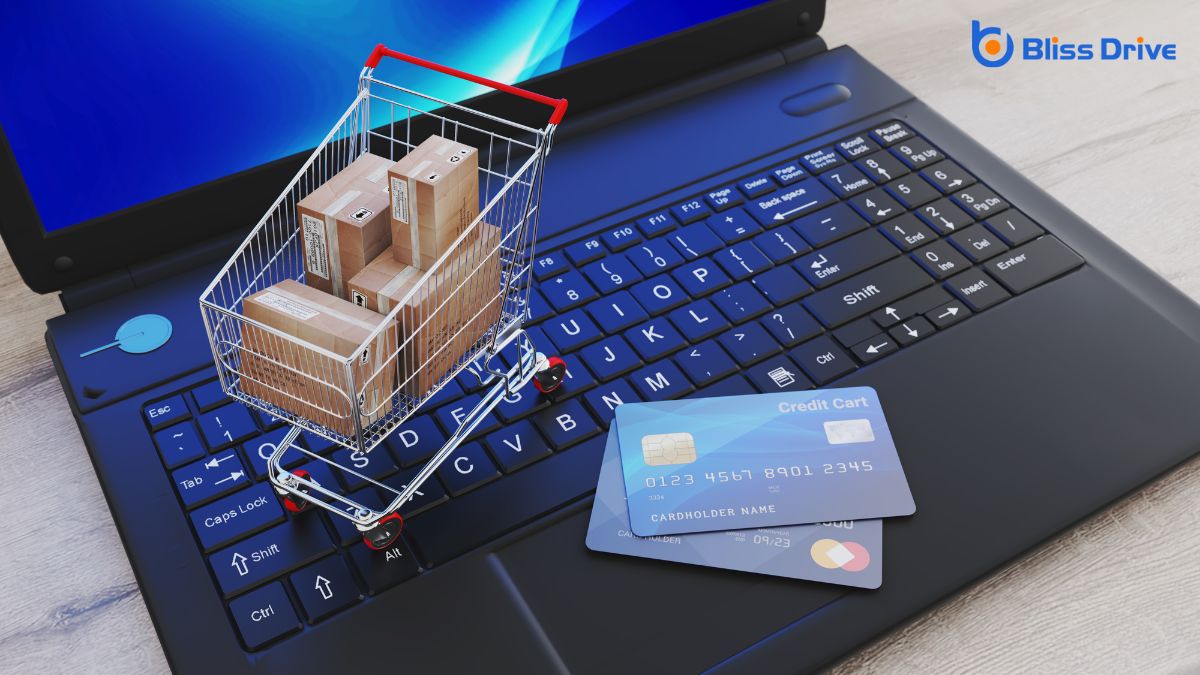
When we explore the key elements of e-commerce web development, it’s essential to focus on designing a user-friendly interface that keeps customers engaged.
But that’s just the start. We should also prioritize site performance and security. Fast loading times guarantee that users don’t abandon their carts out of frustration. Implementing robust security measures, like SSL certificates and secure payment gateways, builds trust with our customers.
Furthermore, we can't overlook the importance of mobile responsiveness. Today’s shoppers use various devices, and a seamless experience across all screens is critical.
Let’s also consider the integration of analyticsThe systematic computational analysis of data or statistics to gain insights and support decision-ma... tools. These tools provide insights into user behavior, helping us continually improve our sites.
How do we guarantee our e-commerce website captivates and retains users? We focus on designing user-friendly interfaces that are intuitive and engaging.
First, we make certain our navigation is simple and logical, allowing users to find what they need quickly. Clear calls-to-action guide users effortlessly through their shopping experience.
We also prioritize mobile responsiveness, making sure our site looks and functions well on any device.
Visual appeal is essential, so we use a clean design with consistent brandingThe process of creating a unique name, design, and image for a product or service in the consumer's ... to create a professional look.
Accessibility is another key element; we ensure our website is usable for everyone, including those with disabilities.
When we integrate secure payment gateways, our top priority is ensuring data encryption to protect our customers' sensitive information.
We must select trusted providers who offerThe specific product or service being promoted by affiliates. robust security features and reliability.
To guarantee our customers' data remains secure during transactions, integrating secure payment gateways with robust encryption protocols is vital.
Encryption acts as our first line of defense, converting sensitive information into unreadable code during transmission. This guarantees that even if intercepted, the data remains protected from unauthorized access.
Incorporating SSL (Secure Sockets Layer) certificates is significant. They establish an encrypted link between the web server and the browser, guaranteeing all data passed remains private.
Additionally, using protocols like TLS (Transport Layer Security) enhances this security further.
We must also guarantee our payment gateways comply with PCI DSS (Payment Card Industry Data SecurityMeasures taken to protect data from unauthorized access and data breaches. Standard) requirements.
This compliance guarantees that our customers' payment information is handled with the highest security standards, maintaining trust and confidence.
Why is choosing the right payment gatewayA service that authorizes and processes payments for online retailers. provider so vital for our e-commerce platform? It’s because a secure and reliable payment gateway guarantees that transactions are processed smoothly and securely.
When we select a trusted provider, we’re not just facilitating financial transactions; we’re building trust with our customers. A reputable provider protects sensitive data, reducing the risk of fraud, which is essential for maintaining our customers’ confidence.
We should also consider the ease of integration. A good payment gateway should seamlessly integrate with our platform, supporting various payment methodsVarious options for customers to pay for products, such as credit cards, PayPal, and digital wallets... to meet diverse customer preferences.
Furthermore, we need to evaluate the provider's compliance with industry standards, like PCI DSS. By doing so, we’re making sure our platform remains a safe and trustworthy environment for all users.
Creating a seamless user experience is vital in e-commerce, where integrating secure payment gateways plays a significant role. We recognize that when customers reach the checkout process, they expect it to be smooth and trustworthy.
Any hiccups can leadA potential customer referred by an affiliate who has shown interest in the product or service but h... to abandoned carts, which we all want to avoid. By using secure payment gateways, like PayPal, Stripe, or Square, we not only guarantee a secure transaction but also build trust with our customers.
It's essential to select gateways that provide multiple payment options—credit cards, digital wallets, or even bank transfers.
We should confirm these systems aren't only secure but also fast and easy to navigate. By doing so, we enhance the overall shopping experience, encouraging customers to return and make repeat purchases.
As we develop e-commerce websites, guaranteeing mobile responsiveness is essential given the increasing number of users shopping on their phones.
We must prioritize mobile design to provide a seamless experience that can greatly influence our conversionThe completion of a desired action by a referred user, such as making a purchase or filling out a fo... rates.
In today's digital world, where over half of all web trafficThe number of visitors to a website, often used as a measure of an affiliate's reach and influence. comes from mobile devices, guaranteeing mobile responsiveness is more essential than ever for e-commerce success.
We must prioritize mobile design to create seamless experiences that captivate and convert users. When we neglect this, we risk losing potential customers who value ease and efficiency. A responsive designA web design approach that makes web pages render well on a variety of devices and window or screen ... guarantees our site adapts to any screen size, enhancing user satisfaction.
Consider these key benefits:
Guaranteeing our e-commerce site is mobile-responsive begins with thorough testing across devices. We need to remember that customers use a variety of gadgets, from smartphones and tablets to desktops. Each device offers a unique screen size and resolution, requiring us to test how our site displays and functions on all of them.
We should utilize tools like responsive design emulators and actual device testing to identify any issues. This approach helps us guarantee that images resize correctly, buttons are easily clickable, and text remains readable.
Let’s not forget about different operating systems and browsers, as they can affect how our site performs. By testing thoroughly, we can provide a seamless experience for every user, increasing the likelihood of conversions and customer satisfaction.
Although the e-commerce landscape is ever-changing, keeping up with the latest web development trends guarantees our online stores remain competitive and user-friendly.
Embracing these trends helps us deliver a seamless shopping experience that meets our customers' expectations.
So, what trends should we focus on?

To stay ahead in the e-commerce game, adopting the latest web development trends isn't enough. We need to craft a robust strategy that enhances our online presence and drives sales.
First, let’s focus on creating a seamless user experience. A well-designed, intuitive website keeps users engaged and encourages them to explore more.
Next, optimizing our site for mobile users is essential since many shoppers browse and purchase via smartphones.
We should leverage social media platforms to broaden our reach, engaging with potential customers where they spend time.
Additionally, SEO techniques should be a priority, ensuring our products are easily discoverable in search engines.
Finally, personalized marketingTailoring marketing messages and offers to individual customers based on their preferences and behav... through email campaigns and targeted ads can greatly boost our conversion rates, effectively turning browsers into buyers.
In e-commerce web development, we focus on creating user-friendly, secure, and responsive online platforms. By integrating secure payment gateways and ensuring mobile responsiveness, we make shopping easy and safe. Staying updated with the latest trends helps us optimize sites for search engines, driving more traffic and sales. By understanding user behavior through analytics, we continuously enhance the shopping experience. Together, let's build an online presence that stands out and thrives in the competitive marketplace.