
Learn More About Us
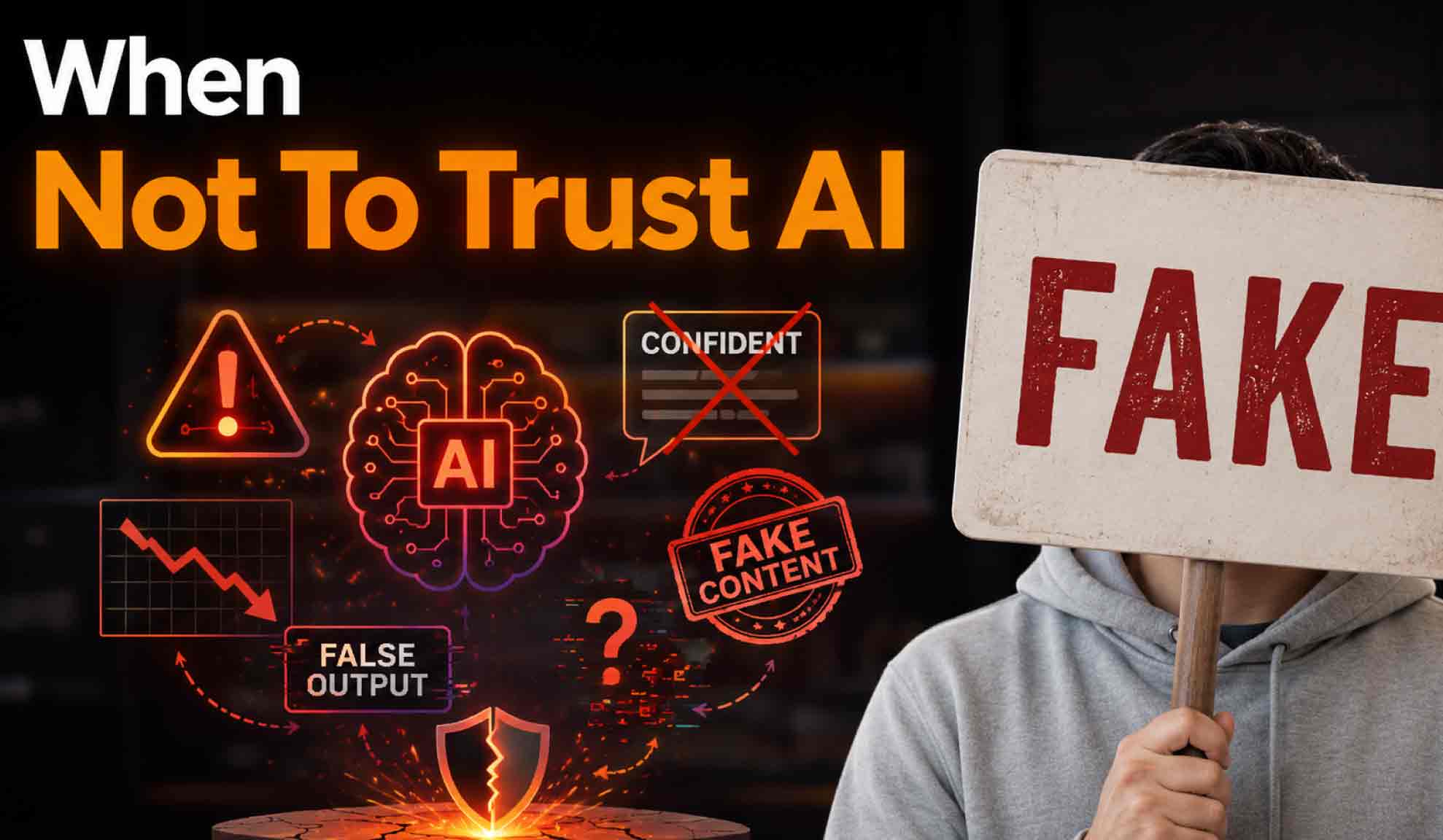
AI over-trust and under-trust are two sides of the same costly mistake. Over-trust means deploying AI without enough checks. Under-trust means adding so much friction that the technology never pays off. In 2024, 78% of organizations reported using AI, up from 55% a year earlier. The difference between winning and wasting that investment is calibration.
Over-trust happens when a business treats AI output as an objective fact and pulls humans out of the loop too early. The cost shows up as biased decisions, regulatory exposure, and reputational damage.
Amazon learned this in 2018. The company scrapped an experimental hiring tool after finding it penalized resumes containing the word “women’s” and downgraded graduates of two all-women’s colleges. The model had been trained on a decade of mostly male resumes, so it absorbed the bias in the data and repeated it at scale.
High-stakes automationUsing software to send emails automatically based on predefined triggers and schedules. raises the stakes further. Healthcare and insurance systems that auto-deny claims with little human review have drawn lawsuits and regulatory scrutiny. The pattern is consistent: the more consequential the decision, the more human judgment it still needs. For a balanced view of where automation helps and where it backfires, our breakdown of the pros and cons of AI for small business covers the trade-offs in plain terms.
Under-trust is the opposite failure, and it rarely makes headlines. It means forcing human review on low-risk tasks, blocking useful tools, or stalling adoption until competitors pull ahead.
The damage is real, even if it is invisible. Most companies investing in AI capture little measurable value, while a small group that scales it well separates from the field. Businesses frozen by under-trust miss the productivity gains that disciplined adopters report quarter after quarter.
Over-control also backfires in a specific way. When sanctioned tools are too restrictive, employees quietly use consumer AI apps for daily work. That shifts sensitive data into systems with zero oversight, which is the exact risk the strict policy was meant to prevent. Treating governance as a value driver rather than a tax changes the math, a shift we unpack in our look at the ROI of AI.
The fix is risk-proportionate trust: match oversight to the stakes of the decision, not to a blanket rule. Low-risk systems get a light touch. High-risk systems get strict human checkpoints.
AI use case | Risk level | Oversight that fits |
Internal document search | Low | Light review, fast rollout |
Marketing copy drafts | Low to medium | Human edit before anything publishes |
Hiring or credit scoring | High | Bias testing plus human sign-off |
Medical or claims decisions | High | Mandatory expert review on every output |
Four moves keep trust calibrated:
“Trust is the cornerstone of any successful AI implementation,” says Court Watson, a transformation leader at Deloitte. The takeaway for owners: build trust in from the start, not after something breaks.
Calibrating AI trust is not a one-time setting. It is an ongoing habit of matching oversight to risk as your tools and the rules around them change. Businesses that get this right turn governance into an advantage instead of a brake.
If part of your strategy involves showing up accurately when customers ask AI engines about your business, Bliss Drive’s AI visibility services walk through how trust and authority signals shape what those engines say about your brand.
Over-trust means relying on AI output without enough human checks, which lets biased or wrong decisions slip through. Under-trust means adding so much friction or restriction that the AI never delivers value. Both come from poor calibration. The goal is matching the level of oversight to the actual risk of each use case.
Look for high-stakes decisions running on autopilot. If AI screens job applicants, approves claims, or scores credit with little human review, you are likely over-trusting it. Audit the decisions the system makes alone, then add a human sign-off wherever a wrong call carries real cost.
Often yes. The Act applies to any company whose AI affects people in the EU, no matter where the business sits. It took force in August 2024, with high-risk rules scheduled for August 2026, and penalties reach 7% of global annual revenue. US firms with EU customers should classify their systems early. This is general information, not legal advice.
Sort your AI use cases into low, medium, and high risk. Give low-risk tools a fast, light review so adoption is not blocked. Reserve strict human checkpoints for high-risk calls like hiring, lending, or medical decisions. This one step guards against over-trust and under-trust at the same time.