
Learn More About Us

AI and sustainability can work together, but not automatically. Automation cuts emissions when it optimizes routes, energy, and waste. It adds emissions through the data centers that train and run the models. The International Energy Agency estimates that data centers used about 415 TWh of electricity in 2024, roughly 1.5% of the global total. The net result depends on how you deploy it.
AI carries a heavy footprint in three areas: electricity, water, and hardware. Training one large model, OpenAI's GPT-3, used an estimated 1,287 MWh of electricity and produced about 552 tons of CO2. That is enough power to run roughly 120 average American homes for a year, according to MIT News.
The footprint does not stop after training. Each query to a model like ChatGPT draws about 10 times the electricity of a standard Google search. As AI gets built into everyday software, the power used answering questions is expected to pass the power used training the models in the first place.
Water is the second cost. Data centers use evaporative cooling, which consumes roughly two liters of water for every kilowatt-hour of energy. Many of these facilities sit in regions that already face water stress, so the strain lands where it hurts most.
Hardware is the third. The UN Environment Program reports that building a 2 kg computer takes about 800 kg of raw materials, and AI chips demand even more. Fast model turnover means more GPUs, and decommissioned servers can leak mercury and leadA potential customer referred by an affiliate who has shown interest in the product or service but h... if they skip proper recycling.
AI's environmental footprint at a glance:
Metric | 2024 Baseline | Projected 2026 |
|---|---|---|
Data center electricity | ~415 TWh (IEA) | Near 1,050 TWh by one estimate |
Water for cooling | ~2 liters per kWh | Rising with AI capacity |
Single model training | GPT-3: 1,287 MWh / 552 tons CO2 | Higher for larger models |
Per-query energy | ~10x a Google search | Inference may exceed training |
AI lowers emissions fastest in logistics, facilities, and reporting. These are areas with measurable waste, where a model can find patterns a human cannot and act on them at scale. The results are documented, not theoretical.
Route optimization is the clearest win. UPS built a system called ORION that analyzes traffic, delivery windows, and vehicle data to cut unnecessary miles. ORION saves UPS about 10 million gallons of fuel and 100,000 metric tons of CO2 every year, per INFORMS. That is the rough equivalent of taking more than 20,000 cars off the road.
AI trims energy use in buildings and plants by predicting demand and powering down idle systems. Smart HVAC automationUsing software to send emails automatically based on predefined triggers and schedules. adjusts heating and cooling to real occupancy instead of a fixed schedule. Telecom operators are also using AI to optimize network and data center energy use. Nokia reports that AI energy management can deliver up to 30% energy savings for telco radio networks, while Virgin Media O2 has targeted 15% energy savings using AI in its data centers.
Sustainability reporting used to mean weeks of manual data work. AI now collects, cleans, and standardizes emissions data across scattered systems, then maps it to required formats. Platforms like CO2 AI match purchased materials to emission factors automatically, which makes Scope 3 estimates far cheaper than a manual lifecycle assessment.
Documented AI sustainability wins by function:
Function | Measured Benefit | Example |
|---|---|---|
Logistics | 10M gallons fuel + 100K tons CO2 saved a year | UPS ORION |
Facilities | Up to 20% lower energy use | Telecom load optimization |
Warehousing | 25.9% less energy, 34.4% less carbon | Reinforcement learning study |
ESG reporting | Audit-grade Scope 3 at lower cost | CO2 AI platform |
You make AI greener by matching the tool to the task, timing the work, and demanding data from your vendors. Three practical moves do most of the heavy lifting, and none of them require a custom model or a data scienceAn interdisciplinary field focused on extracting knowledge and insights from data. team.
Start with these three steps:
Governance ties it together. A S&P Global analysis found that about 48% of surveyed enterprises have no AI governance policy. Without one, a company cannot tell whether its AI savings outweigh its AI footprint. A small cross-functional review group covering IT, operations, and sustainability closes that gap.
AI and sustainability can support each other, but only when businesses measure both sides of the equation. The best results come from practical use cases like routing, energy management, reporting, and waste reduction, not from adding AI everywhere by default. Right-size the model, schedule heavy workloads when cleaner energy is available, ask vendors for energy and water data, and set a basic governance process before scaling.
If you are weighing where AI fits in your operations, an AI visibility and strategy review is a practical first step toward using it well.
Not usually, but it depends on the use case and how you measure it. Logistics and facility optimization tend to save far more carbon than the model consumes. The hard part is proof. Without energy data from your cloud provider, you cannot fully confirm the net result, which is why vendor transparency matters.
A single generative AI query uses roughly 10 times the electricity of a standard Google search. One query is tiny on its own. The concern is volume. As AI gets embedded in everyday software, the combined energy of billions of queries is expected to surpass the energy spent training the models.
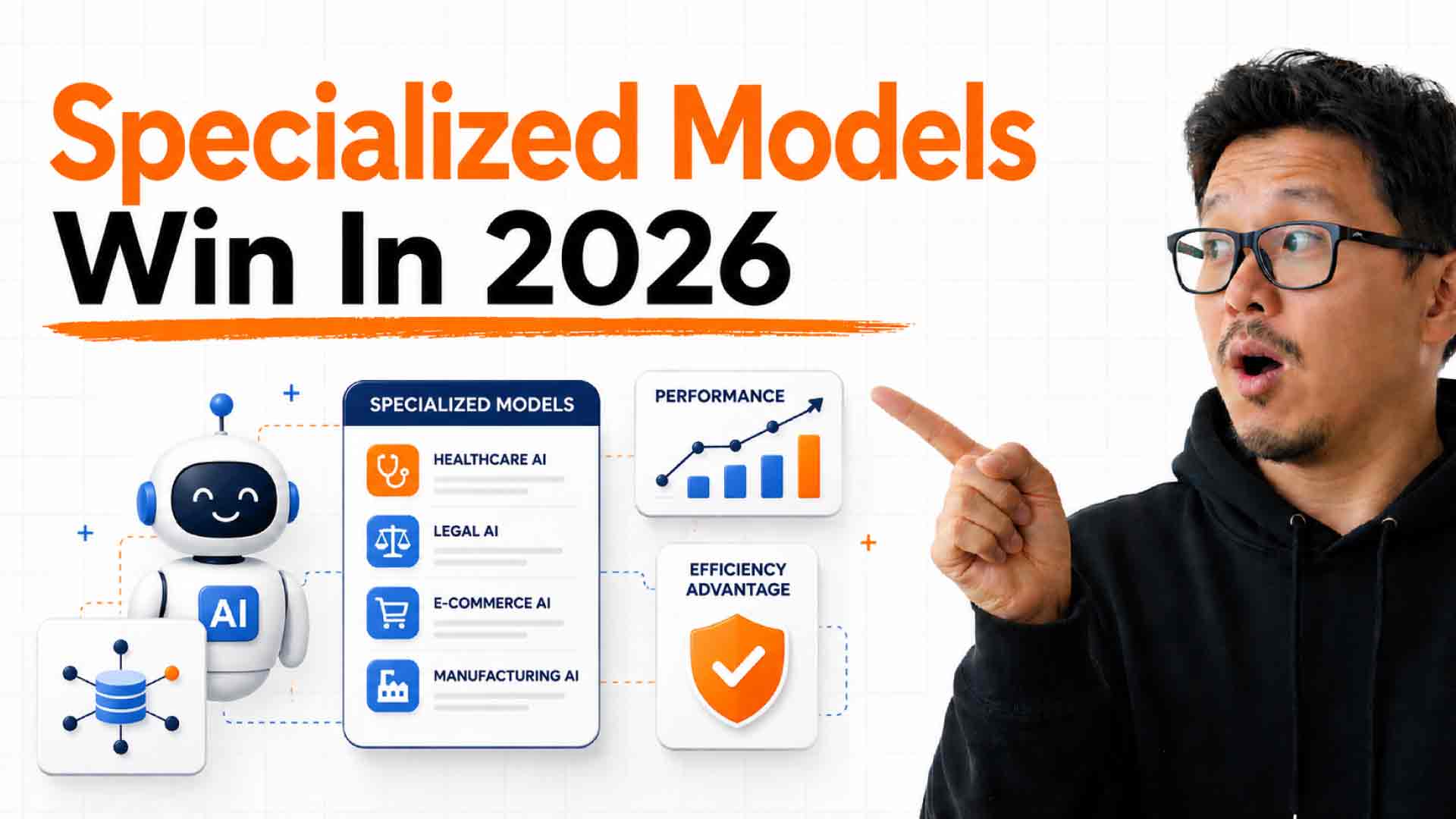
A Small Language Model (SLM) is a compact AI model built for specific tasks like data classification or routine support. It uses a fraction of the energy of a large frontier model while handling those tasks well. Routing simple work to SLMs and reserving large models for complex reasoning is one of the easiest ways to cut AI energy use.
Small businesses can benefit without building anything custom. Off-the-shelf tools handle route planning, smart scheduling, and energy monitoring. The barrier is rarely size. It is the upfront cost and the shortage of staff who understand both AI and sustainability, so starting with one clear use case usually beats a broad rollout.