


Learn More About Us
To build SEO organically, start by understanding how search engines work and focus on creating valuable content that answers users' questions. Make sure your site is mobile-friendly and fast-loading to improve user experience. Use meta tags effectively and build quality backlinks from reputable sites. Conduct keyword research to find terms that resonate with your audience, including long-tail keywords for targeted traffic. Place keywords strategically in titles, headings, and naturally throughout your content. Improve readability using header tags and incorporate internal links to enhance navigation. By exploring these strategies further, your website can start rising through search engine ranks.
When it comes to mastering Organic SEO, understanding the fundamentals is key. You need to grasp how search engines operate and what they value. Search engines like Google aim to provide users with relevant, high-quality content. Your task is to make sure your website aligns with these goals.
Start by focusing on creating valuable content that answers users' questions and meets their needs. This approach builds trust with both users and search engines, enhancing your site's credibility.
To further optimize your site, consider the technical aspects. Guarantee your website is mobile-friendly, loads quickly, and has a clear, logical structure. Search engines use algorithms to rank websites based on these factors, so getting them right can greatly impact your site's visibility.
Additionally, use meta tags effectively. These include title tags and meta descriptions, which help search engines understand your content better.
Another essential aspect is building quality backlinks. These are links from other reputable sites to yours, indicating to search engines that your content is valuable. Engage with your audience and industry peers to encourage natural link-building.
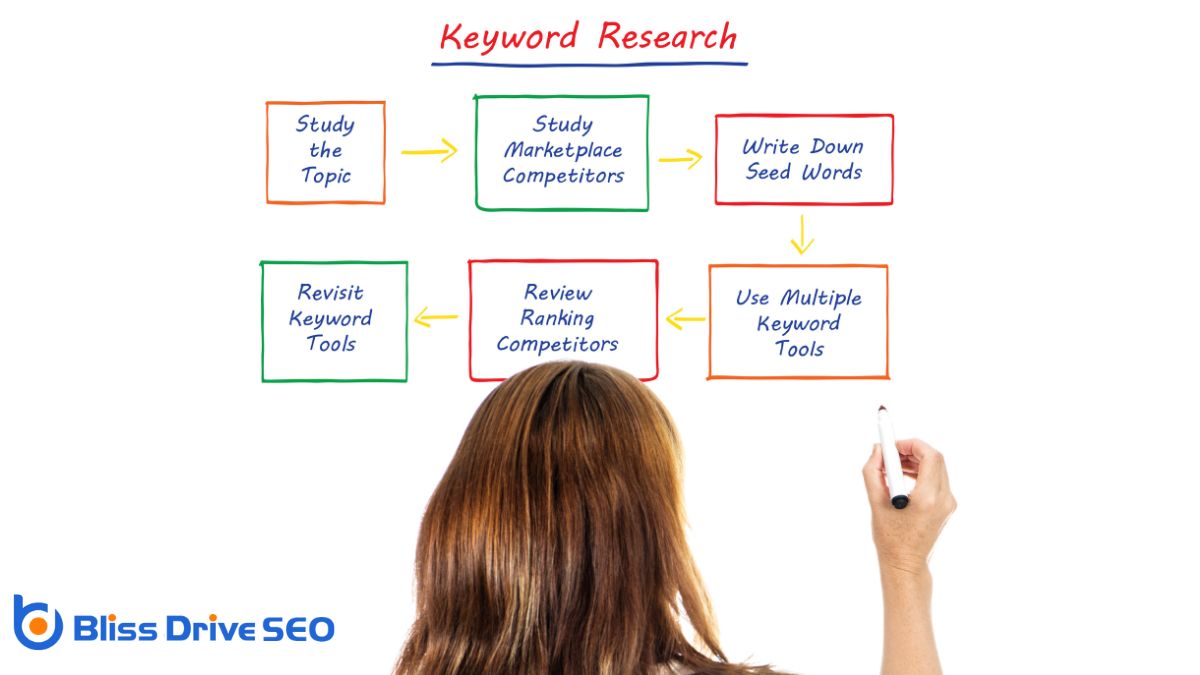
To boost your organic SEO, start by identifying high-value keywords that resonate with your audience.
Analyze your competitor's keywords to uncover opportunities and gaps in your strategy.
Don't overlook the power of long-tail keywords, as they can attract targeted traffic and improve your chances of ranking higher.
In the field of SEO, identifying high-value keywords is crucial for driving quality traffic to your website. To start, focus on understanding your audience's needs and the language they use. This process involves researching terms that potential visitors might use while searching for topics related to your content. Here's how you can pinpoint those high-value keywords:
Analyzing competitor keywords is an essential component of keyword research that can give you an edge in the SEO landscape. By understanding what keywords your competitors are targeting, you can uncover opportunities to refine your own strategy. Start by identifying your main competitors in the industry.
Look at their websites and content to see which keywords they rank for. This can help you identify gaps in your own keyword list and spot potential areas for improvement.
Use tools like SEMrush, Ahrefs, or Moz to dive deeper into competitor analysis. These tools allow you to see the exact keywords your competitors are ranking for, along with their search volume and difficulty.
Focus on keywords that drive significant traffic to your competitors, as they might be beneficial to target in your strategy. Also, pay attention to their meta tags, headings, and content structure to understand how they incorporate these keywords effectively.
A long-tail keyword strategy is a powerful tool in keyword research that helps you target more specific search queries. By focusing on these detailed phrases, you can attract users who are more likely to convert because they know exactly what they're looking for. Instead of competing for high-traffic, generic keywords, you'll be able to corner a niche market with less competition.
Here's how you can effectively implement a long-tail keyword strategy:
When crafting quality content, you should focus on engaging your audience effectively by addressing their needs and interests.
It's important to weave keywords naturally throughout your content to enhance visibility without sacrificing readability.
An essential element in engaging your audience effectively is crafting quality content that resonates with their interests and needs. When you create content that's valuable and relevant, you build trust and keep readers coming back for more. Here's how you can engage your audience through content:
Engaging your audience with compelling content sets the stage for another key element of SEO: keyword placement. You've got to strategically position your keywords to enhance visibility while maintaining natural flow.
Start with your title and headings. These are the first things search engines and readers notice, so including keywords here signals relevance.
Next, weave keywords naturally into your opening paragraph. This helps establish context right from the beginning. But don't overdo it; keyword stuffing can lead to penalties. Aim for a balanced approach, using synonyms and related phrases to keep it engaging.
Incorporate keywords in your subheadings to improve readability and SEO value. This helps both search engines and readers quickly grasp the main topics.
Throughout your content, make sure keywords fit naturally within the text. Readers should feel like they're reading a coherent, informative piece, not a forced SEO exercise.
Mastering on-page SEO techniques is crucial for boosting your website's visibility and relevance. By optimizing individual pages, you ensure search engines comprehend your content and rank it accordingly. Here's how you can enhance your on-page SEO:
To enhance user experience, start by improving your page load speed, ensuring visitors don't leave out of frustration.
Focus on optimizing mobile navigation so users can easily find what they need on any device.
These steps not only keep users engaged but also boost your organic SEO efforts.
A swift page load speed is a cornerstone of exceptional user experience, often determining whether visitors stay or leave. When your website takes too long to load, visitors may become impatient and click away, negatively impacting your SEO. Improving page load speed should be a priority, and there are several strategies you can implement immediately.
Browsing a website on mobile devices, many users anticipate a smooth and intuitive experience. To meet these expectations, optimizing mobile navigation becomes essential. You need to make sure that users can easily find what they're looking for without endless scrolling or confusing menus.
A streamlined navigation system helps retain visitors and lowers bounce rates, both of which are advantageous for your organic SEO efforts.
Start by evaluating your current mobile navigation structure. Is it simple and clear, or cluttered and overwhelming? Aim for a neat design with easy-to-tap buttons and clear labels. Consider using a hamburger menu for simplicity, but guarantee it's easily accessible and recognizable. Prioritize popular pages and necessary links to reduce user frustration.
Building backlinks naturally is an essential aspect of organic SEO, and it's about quality over quantity. When you focus on acquiring backlinks the right way, you enhance your site's authority and trustworthiness. To achieve this, consider these four strategies:
In today's digital landscape, leveraging social media is vital for enhancing your organic SEO strategy. Social platforms like Facebook, Twitter, and LinkedIn aren't just for connecting with friends; they're powerful tools for boosting your site's visibility. By sharing your content across social media, you increase its exposure, encouraging more people to visit your site.
Each share, comment, and like can lead to potential backlinks and drive traffic, which search engines value.
To make the most of social media, engage actively with your audience. Respond to comments, participate in discussions, and encourage sharing. This interaction not only builds a community around your brand but can also enhance your site's authority. When people see you're active and responsive, they're more likely to trust and visit your site.
Moreover, consider using keywords in your social media posts. While they don't directly impact SEO, they can improve visibility in social platform searches. Make sure your profiles are complete and link back to your website. This creates a seamless connection between your social presence and your site, making it easier for users to find you.
As you enhance your online presence through social media, it's equally vital to make sure your website is ready for mobile users. Optimizing for mobile can greatly boost your SEO, as search engines like Google prioritize mobile-friendly sites in search results. To make sure your site is mobile-ready, follow these steps:
Consistently tracking your SEO performance is fundamental for understanding how well your strategies are working and where improvements are needed. By monitoring key metrics, you can gain valuable insights into what's driving traffic to your site and identify any areas that might require adjustment. Start by focusing on metrics like organic traffic, bounce rate, and conversion rates. These indicators will help you see whether your efforts are attracting the right audience and keeping them engaged.
Use tools like Google Analytics and Google Search Console to get a detailed view of your site's performance. Google Analytics provides data on user behavior, allowing you to understand how visitors interact with your content.
Meanwhile, Google Search Console offers insights into how your site appears in search results, highlighting any issues that need addressing.
Regularly reviewing your keyword rankings is also essential. It helps you understand how your site fares against competitors and whether your chosen keywords are effective. Be sure to track backlinks as well since they're important for improving your site's authority.

To keep your SEO strategies effective, staying updated with trends is necessary. SEO isn't static; it evolves with search engine algorithms and user behaviors. By keeping an eye on these trends, you can guarantee your strategies remain relevant and impactful.
Here's how you can stay ahead:
Staying updated is essential for maintaining and improving your organic SEO efforts. By adopting these practices, you'll be well-equipped to navigate the ever-changing SEO landscape.
By focusing on organic SEO, you'll boost your site's visibility and drive quality traffic. Start with thorough keyword research and craft compelling content that resonates with your audience. Employ on-page SEO techniques to optimize your site and guarantee a seamless user experience. Don't forget to leverage social media and make your site mobile-friendly. Keep an eye on your SEO performance and stay updated with the latest trends to maintain your competitive edge. You're set for success!