

Learn More About Us
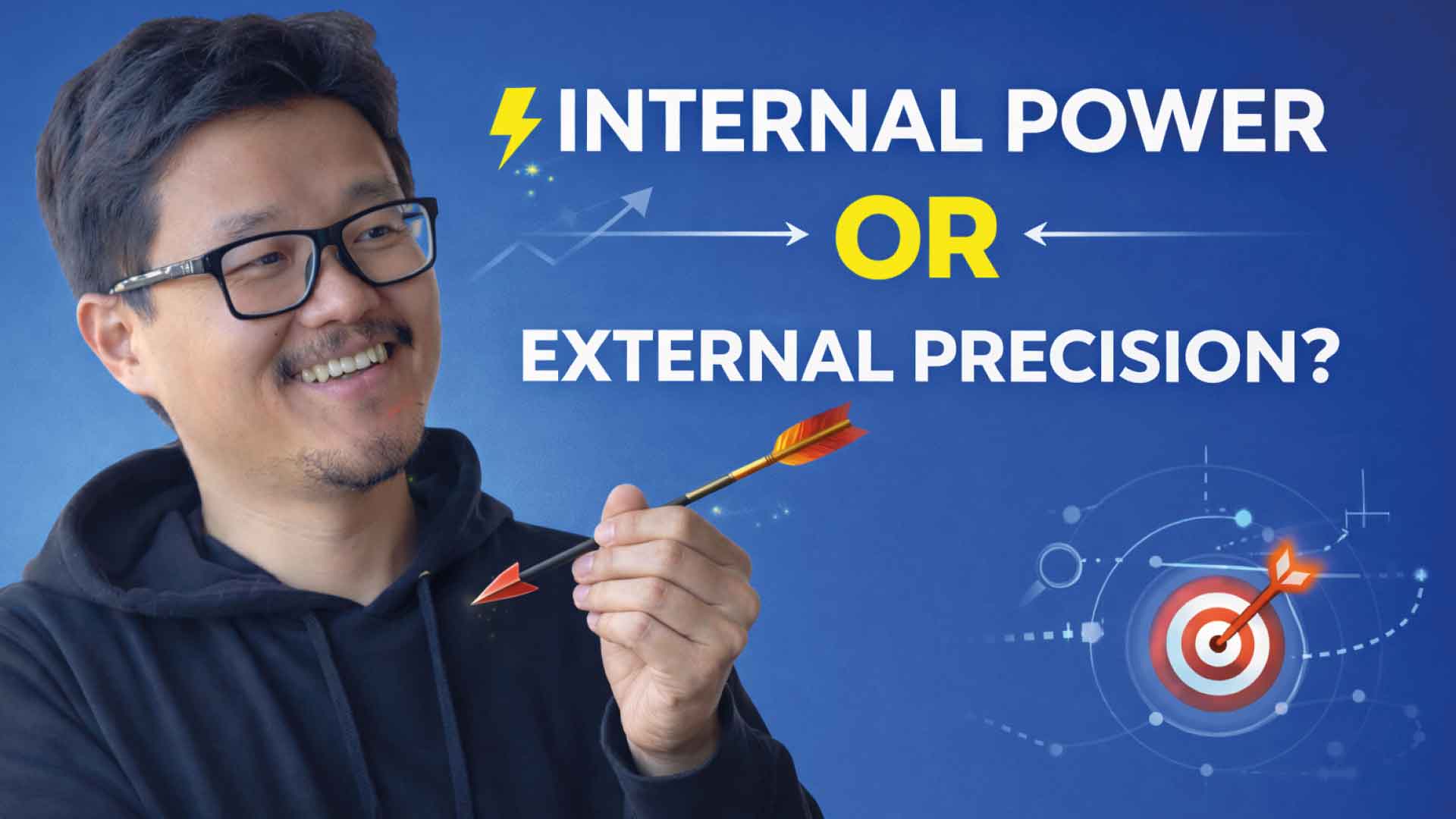
Choosing between an in-house SEO team and an agency is not a preference call. It’s an operating model decision that affects speed, quality, accountability, and long-term cost. Both models can work. The right choice depends on whether you have the internal capacity to plan and execute SEO consistently, and how quickly you need meaningful progress.
A good decision comes from comparing what each model reliably provides: control, depth of expertise, ramp-up time, and the ability to scale output. This guide breaks those factors down so you can choose based on constraints and goals instead of defaulting to “hire” or “outsource” because it feels safer.
Takeaway: Choose the model you can execute consistently with your current budget, timeline, and internal capabilities.
An in-house SEO team is embedded in your business. It’s best at aligning SEO with product, brand, and operations because the team participates in internal planning and has direct access to stakeholders. The tradeoff is ramp-up time and narrower specialist coverage unless you build a multi-role team.
An agency is a flexible execution partner. It can start faster and provide a broader set of specialists (technical SEOOptimizing the server and website structure to improve search engine crawling and indexing., content strategyA plan for creating, publishing, and managing content to meet business goals., link buildingThe process of acquiring backlinks from other websites., analyticsThe systematic computational analysis of data or statistics to gain insights and support decision-ma...) without you hiring each role. The tradeoff is shared attention, dependence on communication quality, and slower brand/product understanding unless onboarding is strong.
Use this as a high-level filter before you evaluate the details.
Factor | In-House SEO | |
Start speed | Slower to ramp | Faster to start |
Expertise breadth | Depends on team size | Broader specialist access |
Brand/product knowledge | Deep over time | Requires onboarding |
Control & prioritization | Direct control | Shared control via process |
Scalability | Slower (headcount limits) | Faster (scope can expand) |
Cost shape | Fixed operating cost | Variable based on scope |
Continuity risk | Higher if key person leaves | Lower (team coverage) |
Best fit | SEO is strategic + ongoing | Speed, flexibility, specialized needs |
In-house SEO wins when organic growth is central to revenue and SEO needs to influence decisions across teams. If your roadmap, content plans, and technical priorities depend on SEO input, embedding that capability reduces delays and increases coordination. In-house also works well when your product requires deep domain understanding that is hard to transfer to an outside partner.
The key requirement is staffing reality. In-house works when the work can be owned across strategy, technical execution, content coordination, and measurement. If your plan relies on a single generalist doing everything, progress usually becomes inconsistent because SEO is a multi-skill discipline. In-house becomes more effective as you build repeatable processes and institutional knowledge over time.
Agencies are strongest when you need execution quickly, when you need specialists you can’t justify hiring, or when SEO is important but not the core of your business. If internal bandwidth is limited, an agency can move work forward while your team focuses on core operations.
Agencies also make sense when your needs fluctuate. If you anticipate bursts of activity (site changes, new pages, link building pushes, audits), an agency can scale output without hiring cycles. The success condition is management discipline: agencies perform best when they get timely access to inputs, clear priorities, and fast feedback loops. Without that, delivery slows and results become harder to attribute.
Hybrid models often outperform “pure” models because they separate strategy from scalable execution. A common pattern is an internal SEO leadA potential customer referred by an affiliate who has shown interest in the product or service but h... who owns priorities, measurement, and alignment with stakeholders, while an agency provides execution capacity across content productionThe process of creating content, including writing, designing, and editing., link acquisition, and technical projects.
Hybrid also fits transition periods. If you’re moving from agency-led SEO to in-house, keeping an agency during hiring and onboarding reduces risk and preserves momentum. Even mature in-house teams sometimes use agencies for specialized, time-bound work like migrations, international expansion, or independent audits that benefit from outside perspective.
Cost comparisons fail when they only compare salary to retainer. In-house costs include tools, training, management time, and the operational drag of hiring and onboarding. Agency costs include the retainer plus internal coordination time, review cycles, and the risk of scope expanding beyond the original plan.
A practical way to evaluate cost is to compare what you actually need delivered each month—content, technical fixes, link work, reporting—and ask which model can produce that output reliably. If you need broad specialist coverage but only have budget for one internal hire, an agency may produce better output per dollar. If your SEO workload is steady and strategic across the business, in-house can become more cost-effective as processes mature.
Start with these questions, because they surface constraints that matter more than preferences.
How central is SEO to revenue? If organic search is a primary driver, in-house or hybrid tends to perform better due to alignment and continuity. If SEO is one channel among many, an agency can be sufficient.
How quickly do you need meaningful progress? If you need an execution engine now, agencies start faster. If you can invest in capability-building, in-house compounds.
Do you have internal leadership to evaluate SEO quality? If nobody can assess strategy and execution, you need external expertise first—either through an agency or a senior consultant—so you don’t operate blindly.
Is your budget aligned with the reality of the work? In-house succeeds when the team can cover core SEO functions. Agencies are often more efficient when you need multiple specialties without multiple hires.
How stable is your SEO workload? Stable workloads favor in-house. Spiky workloads favor agencies or hybrid.
The biggest in-house mistake is hiring one person and expecting full coverage across technical SEO, content strategy, link building, and analytics. The biggest agency mistake is choosing based on price instead of capability and process, then under-investing in collaboration. In both models, unclear ownership and weak measurement create the same outcome: activity without performance improvement.
Another consistent failure mode is impatience. SEO is cumulative. Switching models too quickly prevents compounding. The goal is not “perfect structure.” The goal is a structure you can run consistently long enough for the work to accumulate and be measured.
In-house SEO performs best when SEO is strategic, integrated across teams, and supported with real capacity. Agencies perform best when you need speed, specialist access, and flexible output without hiring cycles. Hybrid models often win when you want internal ownership with scalable execution.
Make the decision using your constraints: timeline, budget shape, internal leadership, and workload stability. The model that works is the one you can run with discipline—planning, delivery, and measurement—month after month.
Takeaway: Be honest about capacity. If you can’t staff for consistent SEO delivery, don’t force in-house. If you need speed or specialist breadth, don’t wait on hiring.