Learn More About Us
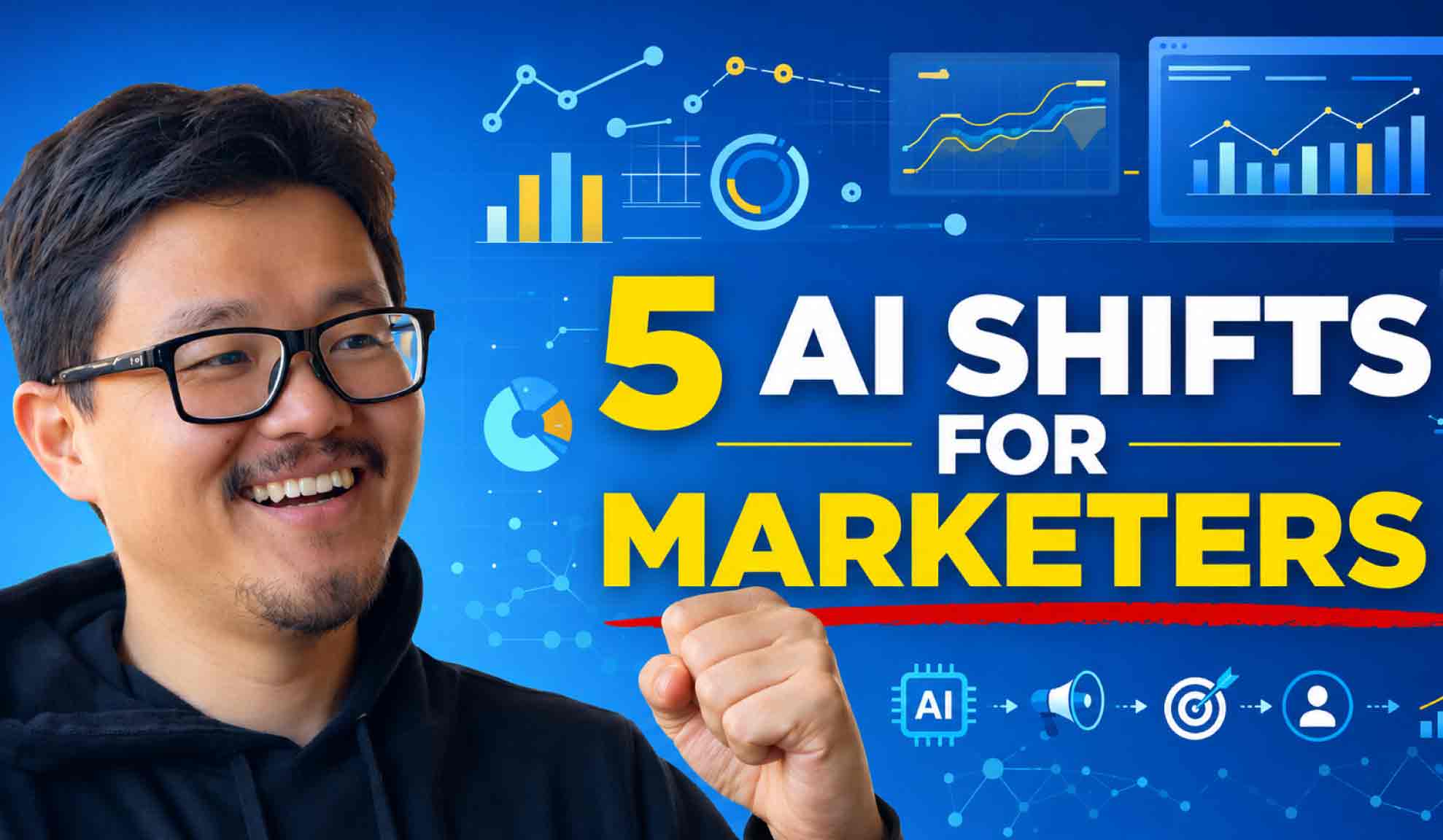
The biggest AI marketing trends for 2026 are agentic AI, hyper-personalization, answer engine optimization, AI video, and a widening trust gap. Adoption is no longer the story. Salesforce found 87% of marketers now use generative AI, up from 51% in 2024. The divide now is between teams that drive results and teams that just make more noise.
Agentic AI runs multi-step tasks on its own, which moves marketers from doing the work to supervising it. Traditional automationUsing software to send emails automatically based on predefined triggers and schedules. follows a fixed rule: a trigger fires, and a set response goes out. An agentic system works toward a goal instead. For an abandoned cart, it decides who to target, picks the message and channel for each person, launches the campaignA set of ad groups sharing a budget, targeting options, and other settings., and learns from the result.
The shift is early, so treat it that way. Salesforce found that only about 13% of teams use agentic AI today. But 82% of those users expect major or moderate ROI, and 73% of teams plan to expand their use heading into 2027. The near-term job for marketers is directing and reviewing these systems, not hand-building every campaign.
Hyper-personalization shapes content around the individual, not the segment. AI generates dozens of variations of one asset, each matched to a person's behavior and intent, for close to the cost of a single generic version. Broad demographic buckets give way to one-to-one experiences at scale.
McKinsey ranks personalization engines among the highest-ROI uses of AI in marketing, delivering 10–30% revenue lift and among the highest ROI gains in marketing AI use cases. The table below shows what changes.
Traditional Personalization | Hyper-Personalization in 2026 |
Broad demographic segments | Individual behavior and predicted intent |
Scheduled, static campaigns | Real-time experiences across channels |
Reacts to past purchases | Predicts the next best action |
Manual A/B tests of a few variants | Automated generation of many variants |
Answer engine optimization structures content so AI engines cite it inside their summaries. It matters because the click is vanishing. When a Google AI Overview appears, organic click-through rates drop significantly, according to Pew Research.
AI Overviews are rapidly expanding across informational queries and now appear on a large and growing share of searches. Being cited is the new ranking. Seer Interactive found brands cited in AI summaries tend to earn significantly higher organic visibility and click share. To get cited, build content around clear questions, direct answers, comparison tables, and original data.
AI made video the default creative format because it collapses the cost and time of production. Instead of one polished commercial, a team can generate many platform-ready versions, test them fast, cut the losers, and scale the winners.
The numbers back the shift. The IAB reports 86% of ad buyers use or plan to use generative AI to build video creative. U.S. digital video ad spendThe total amount of money spent on advertising campaigns. is set to pass $80 billion in 2026, growing about 20% faster than the total ad market. Human direction still matters for quality and brand fit, but AI is now the production baseline.
As AI floods marketing, consumer trust is lagging, and transparency is the fix. The IAB found that only 45% of Gen Z and Millennial consumers feel positive about AI-generated ads, while 82% of ad executives believe they do. That gap has widened, not closed.
Cost-cutting is part of the problem. 64% of advertisers now name cost efficiency as AI's top benefit, which raises the risk of generic content that erodes brand trustThe confidence consumers have in a brand's reliability and integrity.. Disclosure helps more than it hurts: 73% of younger consumers say knowing an ad was made with AI would raise their purchase likelihood or make no difference. Brands that use AI to lift quality, and say so, hold the trust that skeptical buyers extend. This is where how Google and AI platforms evaluate trust becomes a practical advantage.
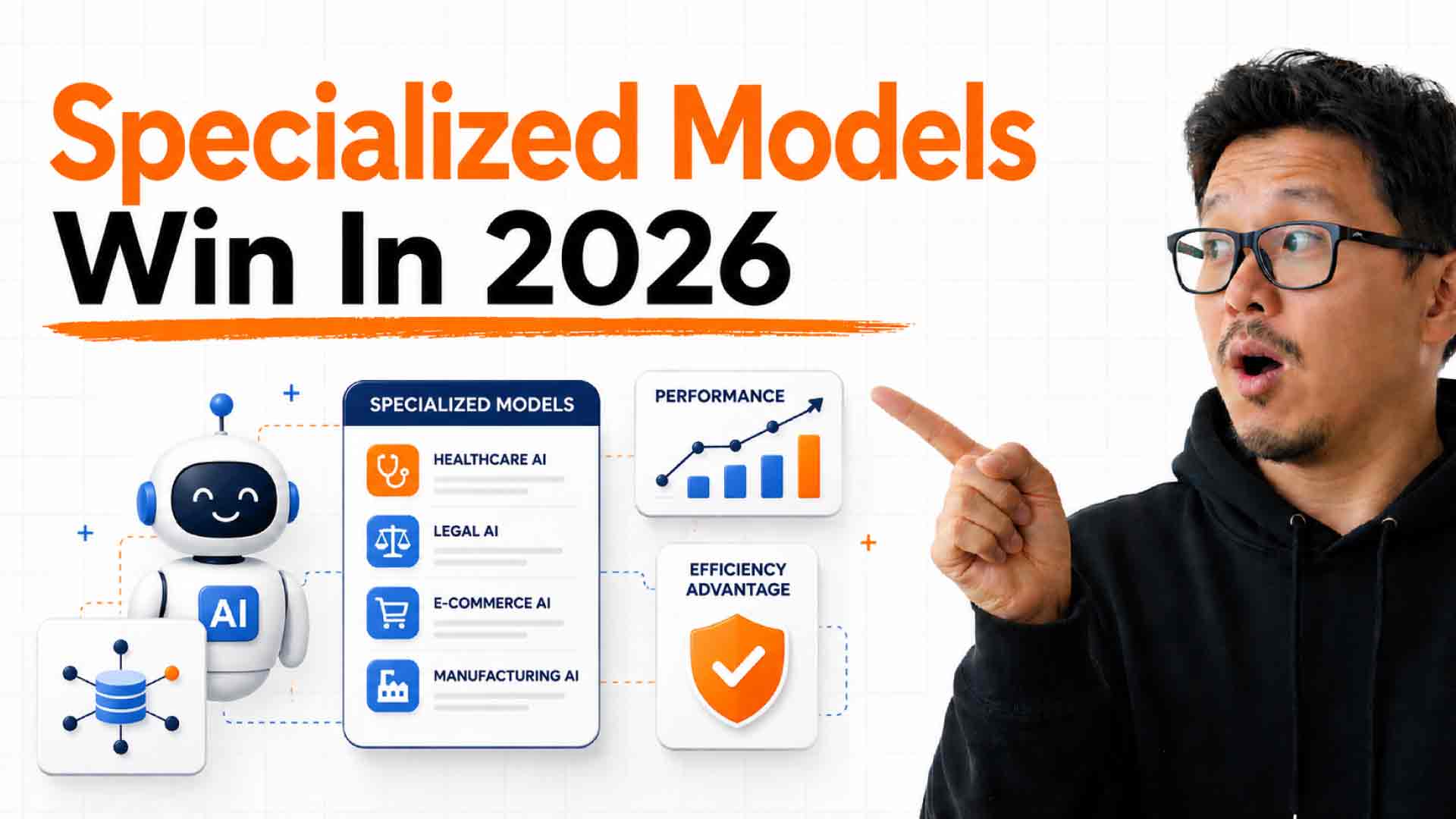
One thread runs through all five trends: AI rewards focus, not volume. The teams that win in 2026 will pick the few workflows where AI creates real leverage and rebuild them well, instead of scattering AI across everything.
If your brand is working out where to start with AI search and visibility, Bliss Drive's AI visibility services map the path from invisible to cited.
Marketing automation follows fixed rules: a set trigger produces a set response. Agentic AI works toward a goal instead. It plans the steps, makes decisions, runs them, and adjusts based on results. For a cart-recovery campaign, automation sends one scheduled email, while an agentic system chooses the audience, message, channel, and timing for each customer.
No, but it has changed. Informational queries that once drove clicks are often answered on the results page now, so click-through rates have dropped for that content. Commercial and transactional searches still send visitors to websites. The work shifts from ranking in blue links to earning citations inside AI answers, which is the heart of answer engine optimization.
Results vary widely. McKinsey reports personalization engines deliver about 2.7x ROI on average, among the highest of any marketing use. Yet McKinsey also found more than 80% of organizations say generative AI has not moved enterprise-level profit in a measurable way. The difference is focus: teams that rebuild one or two workflows around AI tend to see more return than teams spreading it thin.
The data says disclosure helps. The IAB found 73% of Gen Z and Millennial consumers said knowing an ad was made with AI would raise their purchase likelihood or make no difference. Clear disclosure also ranked as the third-highest driver of attention to an ad. For audiences who are already skeptical, transparency reads as confidence, not weakness.