
Learn More About Us
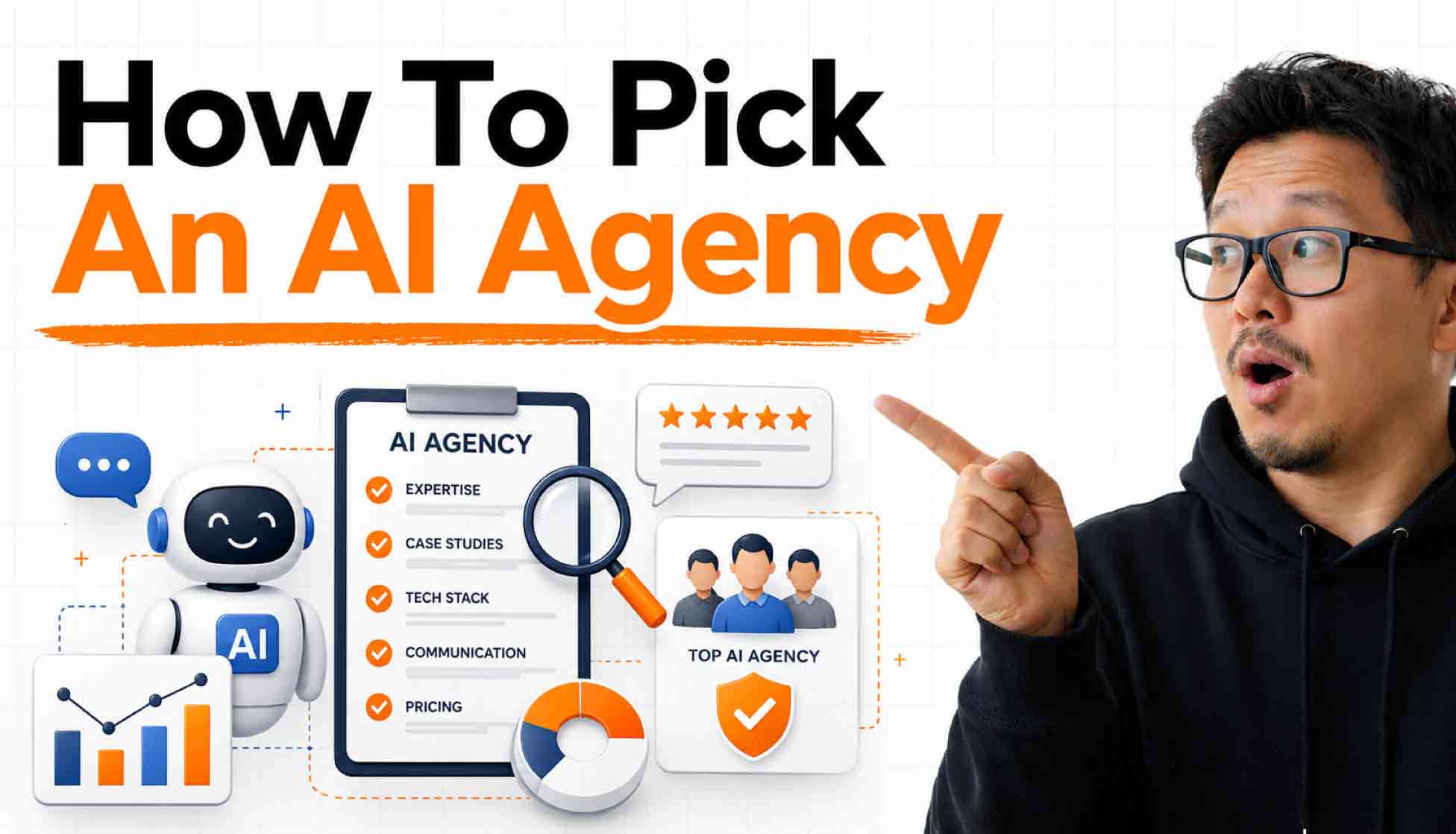
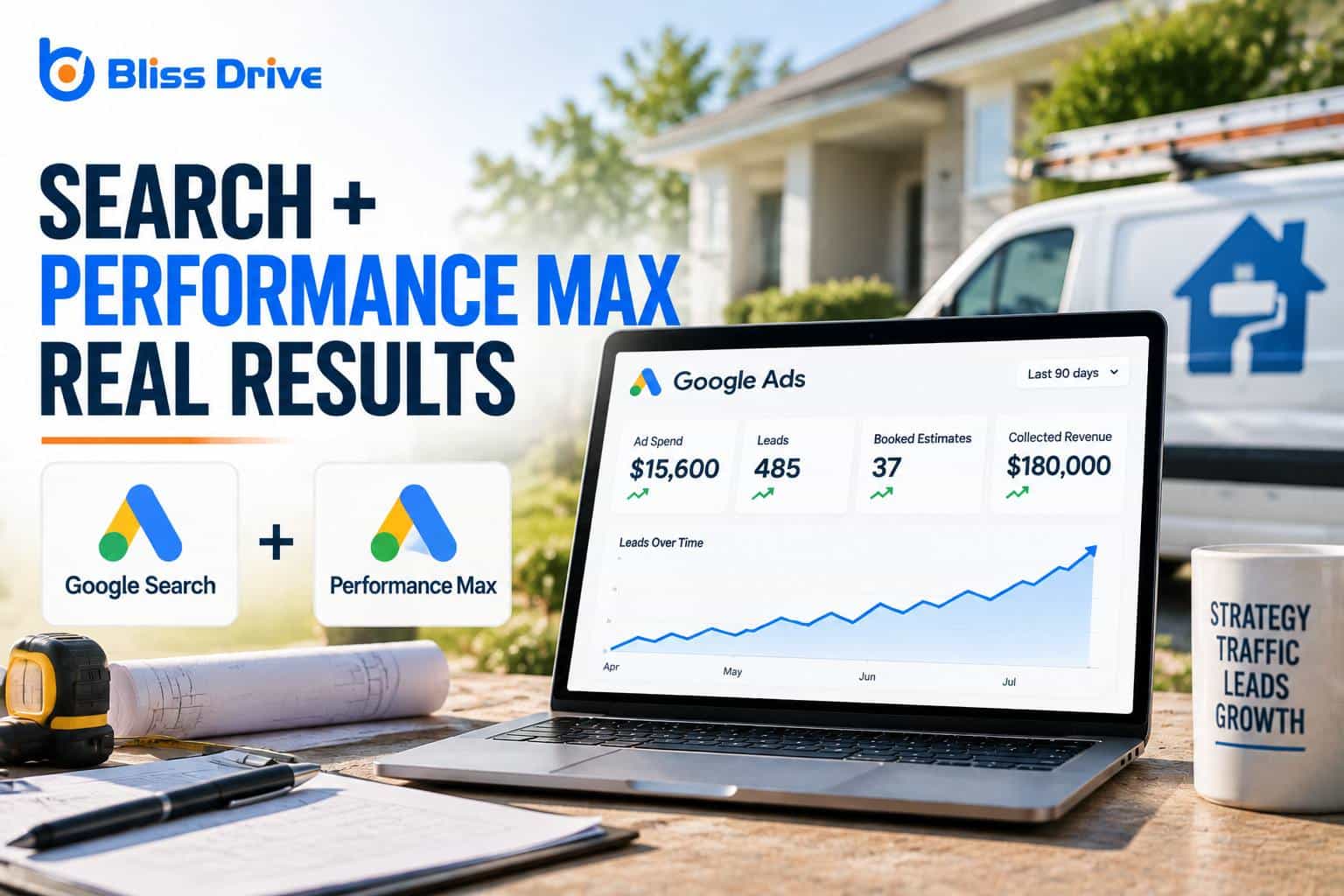
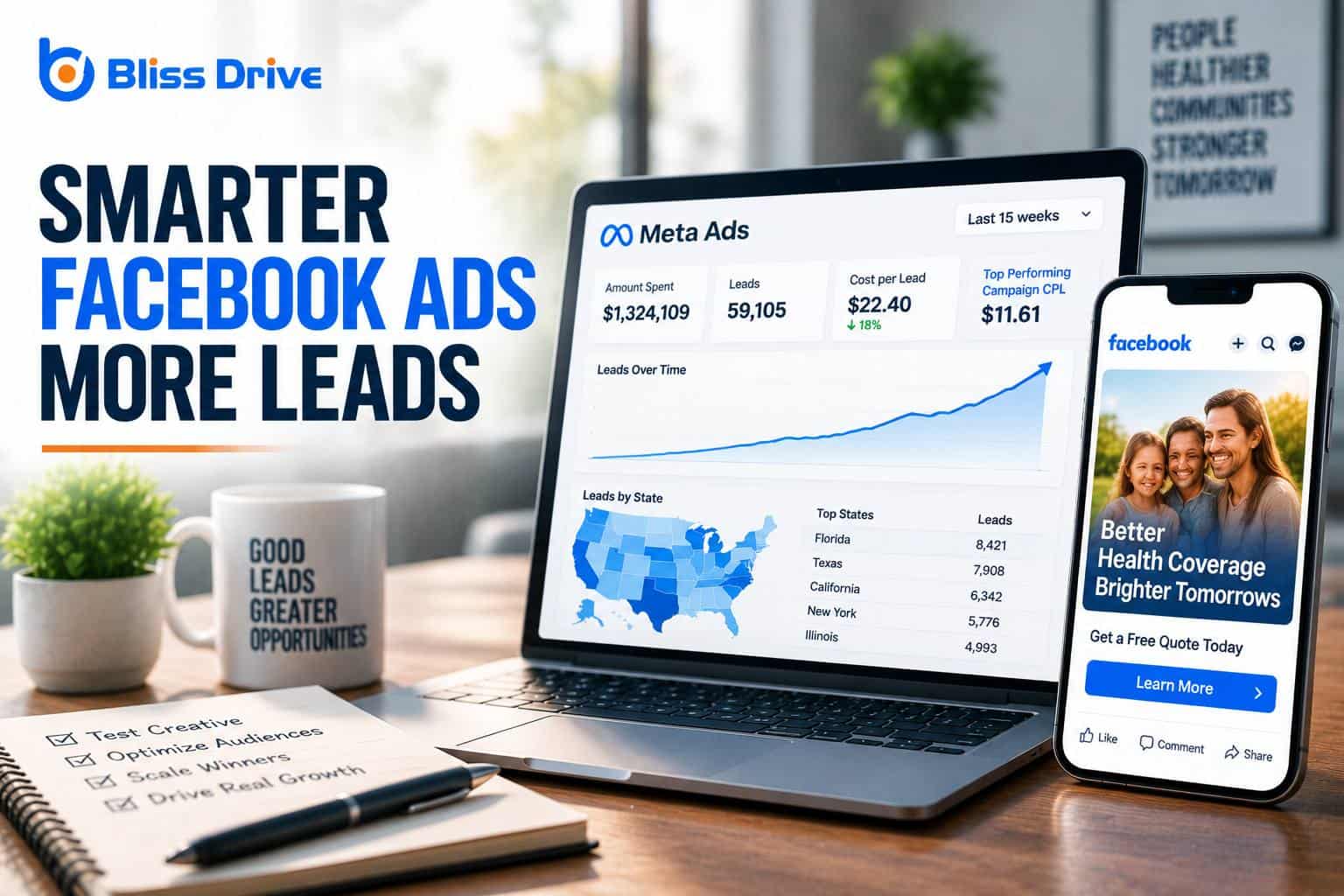
Choosing an AI marketing agency in 2026 comes down to six checks: how openly they disclose the AI tools they use, whether named specialists run your account, whether their case studiesIn-depth analyses of specific instances or examples to highlight success stories or lessons learned.... show real ROAS and cost-per-lead numbers, how clearly they price the work, and whether they commit to a defined timeline. The AI marketing market is projected to grow from $20.44 billion in 2024 to $82.23 billion by 2030. A lot of agencies rebranded as “AI-first” faster than they retooled.
An AI marketing agency uses machine learningA subset of artificial intelligence where computers use data to learn and make decisions. and generative AI to run parts of your marketing that used to be fully manual: content productionThe process of creating content, including writing, designing, and editing., ad targeting, lead scoringRanking leads based on their likelihood to convert, often using behavioral data and demographics., customer segmentationDividing customers into groups based on common characteristics to optimize marketing efforts., and around-the-clock leadA potential customer referred by an affiliate who has shown interest in the product or service but h... response. The good ones pair that automationUsing software to send emails automatically based on predefined triggers and schedules. with human strategy and editing. Human review and real expertise are what keep AI-assisted pages ranking, and the data on Google and AI content supports that.
The reason this matters in 2026 is a shift in how people search. Buyers now ask ChatGPT, Perplexity, and Google’s AI Overviews before they ever click a website. That has pushed agencies past classic SEO into answer engine optimization, the practice of structuring content so AI tools cite it. Speed matters too. Leads contacted within five minutes are 21 times more likely to qualify than those contacted after 30 minutes, according to the Harvard Business Review and MIT lead response study. AI handles that response at any hour.
Use these six criteria to vet any agency before you sign.
“Transparency is the fastest way to tell a real AI agency from a rebrand,” says Richard Fong, founder of Bliss Drive. “If a team cannot show you the raw output behind the polished version, you are buying a black box.”
Some warning signs reliably predict a bad partnership. Watch for these during the sales process.
Red flag | What it usually signals | What to ask for instead |
|---|---|---|
Vague budget breakdown | Hidden markup on ad spend or software | An itemized split of ad spend, fees, and API costs |
No verified case studies | Your budget is the testing ground | Numbers-backed results from similar clients |
One-size-fits-all templates | Generic prompts, no brand discovery | A documented discovery and custom strategy |
Promises of instant viral growth | Unrealistic expectations and likely churn | Data-backed milestones on a 90-day plan |
No direct access to dashboards | Performance is being hidden | Real-time access to ad and analyticsThe systematic computational analysis of data or statistics to gain insights and support decision-ma... accounts in the contract |
Founder pitches, interns deliver | Bait-and-switch staffing | Meeting the actual account team before signing |
Hourly billing is fading because AI speeds up delivery, and paying by the hour penalizes a faster agency. Most agencies now charge a monthly retainer, a performance fee tied to leads or revenue, or a usage-based rate. Typical monthly ranges by company size look like this:
Whatever the model, insist on a clear split between platform costs and the agency’s own fee.
The AI marketing agencies worth hiring in 2026 do more than add ChatGPT to an old service package. They show you the tools they use, explain where automation starts and human strategy takes over, protect your data, and prove performance with real numbers. Before you sign, ask for the account team, the dashboardA user interface that organizes and presents information in an easy-to-read format, typically showin... access, the pricing breakdown, and the first 90-day roadmap.
To see where your brand currently stands in AI search, Bliss Drive’s AI visibility and GEO services are a practical first step.
A traditional agency runs campaigns mostly by hand. An AI marketing agency builds machine learning and generative AI into the work: predictive lead scoring, automated content, real-time ad adjustments, and 24/7 conversational response. The difference shows up in speed and scale. The best agencies still keep humans in charge of strategy, brand voice, and quality control.
Most charge a monthly retainer between $1,000 and $25,000, depending on scope, with small businesses near the low end and mid-market firms higher. Others tie fees to performance, such as cost per qualified lead, or to usage like API volume. Ask for an itemized breakdown so you can see ad spend, management fees, and software costs separately.
Not by itself. Google rewards helpful, accurate content regardless of how it was produced, and penalizes thin or spammy pages, whether a human or a machine wrote them. The real risk is unedited output: errors, generic phrasing, and no first-hand experience.
A credible agency works in phases. The first month covers audits, tool setup, and a knowledge base. The second month launches optimized content and conversational agents. The third month measures results and re-trains the models on real data. Expect early signals by the end of a 90-day roadmap, with compounding gains after that.